API Freshwater Master Test Kit Review (2026): What It Tests and What It Misses
What the API Freshwater Master Test Kit measures, what it leaves out, and how it fits cycling and routine checks in a planted tank.

The API Freshwater Master Test Kit suits anyone cycling a new planted tank or checking ammonia, nitrite, nitrate, and pH on a routine schedule, because it covers all of them in one box of liquid reagents. Skip it, or plan to pair it with a second kit, if what you really need is hardness: it does not test GH, KH, or phosphate, which matter for CO2 tanks, shrimp, and nutrient dosing.
Exact product

API Freshwater Master Test Kit (800-test)
- Best for
- Cycling a new planted tank and routine checks of ammonia, nitrite, nitrate, and pH.
- Skip this if
- You only need hardness readings, or already own separate kits for these parameters.
- Parameters
- pH, high range pH, ammonia, nitrite, nitrate
- Contents
- 7 test solutions, 4 test tubes, holding tray, laminated color card, instructions
- Water type
- Freshwater aquariums
- Covers pH, high range pH, ammonia, nitrite, and nitrate in one kit.
- Liquid reagents read against a laminated color card.
- Does not test GH, KH, or phosphate.
- Liquid tests take more steps than dip strips.
This review covers the API Freshwater Master Test Kit, model 34, in the 800-test version linked above. API sells single-parameter kits and kits for other water types in similar packaging, so check that the box says "Freshwater" before you buy.
Specifications
API's product page lists the following:
| Item | What API states |
|---|---|
| Parameters | pH, high range pH, ammonia, nitrite, nitrate |
| Contents | 7 test solutions, 4 test tubes, holding tray, laminated color card, instructions |
| Water type | Freshwater aquariums |
What this means in practice:
- Two pH tests. The standard pH test and the high range pH test cover different parts of the scale. Soft water and CO2-injected tanks usually read on the standard test; harder, alkaline water may need the high range test.
- The nitrogen cycle in one kit. Ammonia, nitrite, and nitrate are the three readings that show whether a tank has cycled.
- Liquid reagents and a color card. You add drops to a water sample in a test tube and compare the color with a laminated card, which API describes as computer calibrated.
- Four tubes and a tray. You can run several tests side by side instead of washing one tube between each.
API recommends testing weekly for best results.
Suitable setups
- A new planted tank that is cycling. You need to see ammonia rise and fall, then nitrite rise and fall, and nitrate appear. This kit reads all three. Our cycling and water testing guide walks through the process.
- Tanks set up on new aquasoil. Many active soils release ammonia at the start, so an ammonia test is essential before adding livestock.
- Routine checks on an established tank. A weekly nitrate and pH reading helps you spot a drift before it shows up in fish or plants.
- Low-tech and CO2 tanks. The kit works the same way in either style, with the caveat below about hardness.
Strengths
- Five tests in one purchase. pH, high range pH, ammonia, nitrite, and nitrate cover cycling and most routine checks.
- Liquid reagents with a laminated card. Reading a tube against a color card is the classic hobby method and avoids handling damp strips.
- A stated test count. The 800-test version gives a clear idea of how long the kit lasts, unlike some single kits where API does not state the count.
Limitations
- No GH, KH, or phosphate. API's parameter list stops at pH and the nitrogen compounds. If you run CO2, keep shrimp, or want to track buffering, you need a hardness kit as well.
- More steps than strips. Each liquid test means filling a tube to the line, counting drops, shaking, and waiting. Strips are faster for a quick look.
- Technique matters. API says to shake the indicated reagent bottles very vigorously but to be gentler with the test tubes, inverting them back and forth every 1 to 2 seconds for the stated time. Skipping the bottle shaking is a common hobby explanation for odd readings, especially on nitrate.
Compatibility and required extras
The kit is designed for freshwater aquariums only. For its five tests it is self-contained: tubes, tray, reagents, and card are in the box. What it does not cover:
- Hardness. Add the API GH & KH Test Kit, listed in the alternatives below, if you run injected CO2, keep shrimp, or see pH swings. API notes that low KH can lead to rapid and wide pH shifts. Our CO2 system guide explains how KH and pH relate to CO2.
- Phosphate and iron. Optional for most keepers; see our fertilizer basics for when nutrient testing is worth it.
- Good light for reading. Compare colors in daylight or bright white light, against the white area of the card.
Maintenance
- Rinse each test tube with water right away after the test, which API recommends so the contents do not stay in the tube.
- Cap reagent bottles tightly and store the kit away from heat and direct sunlight.
- Check the dates printed on the bottles when you start a new kit, and replace reagents that have expired.
- During cycling, test more often than the weekly routine. API's ammonia kit page suggests testing several times a week for 4 to 6 weeks in a new aquarium, then weekly.
Alternatives
| Product | Fits | Best for | Skip if |
|---|---|---|---|
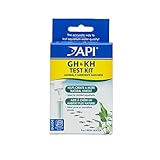 API GH & KH Test Kit (2.5 oz) API GH & KH Test Kit (2.5 oz)Model 58 | low-tech tanks, CO2 tanks | Checking hardness and buffering before choosing plants and livestock, or when pH is unstable. | You already test GH and KH another way. |
 Tetra EasyStrips 6-in-1 Aquarium Test Strips (25 count) Tetra EasyStrips 6-in-1 Aquarium Test Strips (25 count)Model 19542 | low-tech tanks, CO2 tanks | Quick weekly spot checks of hardness, pH, nitrite, and nitrate. | You are cycling a tank and need ammonia readings. |
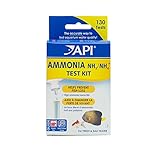 API Ammonia Test Kit API Ammonia Test KitModel LR8600 | low-tech tanks, CO2 tanks | Tracking ammonia while cycling a new planted tank. | You already own the API Freshwater Master Test Kit, which includes ammonia. |
- API GH & KH Test Kit: choose this alongside, not instead of, the master kit when you need hardness and buffering readings for CO2 or shrimp.
- Tetra EasyStrips 6-in-1: choose these for quick weekly spot checks of GH, KH, pH, nitrite, nitrate, and chlorine in about 60 seconds, but not for cycling, because they do not test ammonia.
- API Ammonia Test Kit: choose this if ammonia is the only reading you need, for example to watch a new aquasoil, or to pair with strips that lack an ammonia test.
For the full lineup, see our water test kit buying guide or the Water test kits: what to check before you buy ↗ hub.
Verdict
The API Freshwater Master Test Kit is a sensible first kit for a new planted tank because it reads every stage of the nitrogen cycle plus pH. It is not a complete testing setup on its own: if you inject CO2, keep shrimp, or have unstable pH, plan to add a GH and KH kit. If you only want quick hardness and nitrate checks on an established tank, strips are faster, but keep a liquid ammonia test for any new setup. Not sure what your tank needs yet? Try the setup finder.
Sources
- API Freshwater Master Test Kit product page, API Fishcare
- API General & Carbonate Hardness Test Kit product page, API Fishcare
- API Ammonia Test Kit product page, API Fishcare
- Tetra EasyStrips 6-in-1 Aquarium Test Strips product page, Tetra
This page is research-based: we have not tested the equipment or methods ourselves. It draws on the sources listed and established hobby practice.
Keep reading

Aquarium Cycling and Water Testing for Planted Tanks
How the nitrogen cycle works, how to cycle a tank without fish, how to tell when it is ready, and which water tests matter for planted tanks.
Best Aquarium Water Test Kits for Planted Tanks (2026)
Test kits matched to the job: cycling a new tank, checking GH and KH for CO2 and shrimp, tracking phosphate, and quick strips versus liquid tests.

Aquarium CO2 Systems Explained: A Planted Tank Guide
When injected CO2 helps a planted tank, how each part of a pressurized system works, how to dial it in safely, and the mistakes that put livestock at risk.